Skip to content

Hansen Connect 2024

SOLUTIONS FOR A FLEXIBLE FUTURE

January 25, 2024 – Helsinki, Finland

HANSEN CONNECT LIVE SPEAKERS

Additional Information About our Hansen Connect Live Speakers
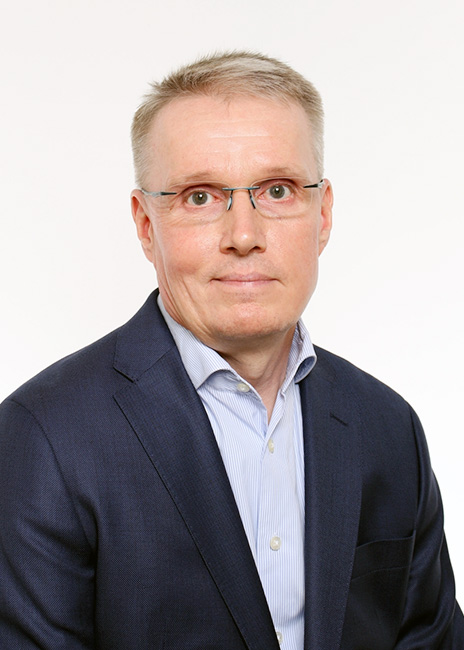
Hannu Jokinen

Senior Vice President, Energy & Utilities, EMEA, Hansen

Hannu har gjennom sine 25 år i arbeidslivet hatt gleden av å jobbe i flere deler av virksomheten, fra programvareutvikling til forretningsledelse. Han har spesielt trivdes i lederroller, hvor fokuset er å optimalisere både implementering, innhold og salg.
Hannu motiveres av å jobbe med mennesker, inspirere teamene sine og sammen oppnå ambisiøse mål. Han har vært en del av Hansen i 7 år, og har en doktorgrad fra Helsinki University of Technology.
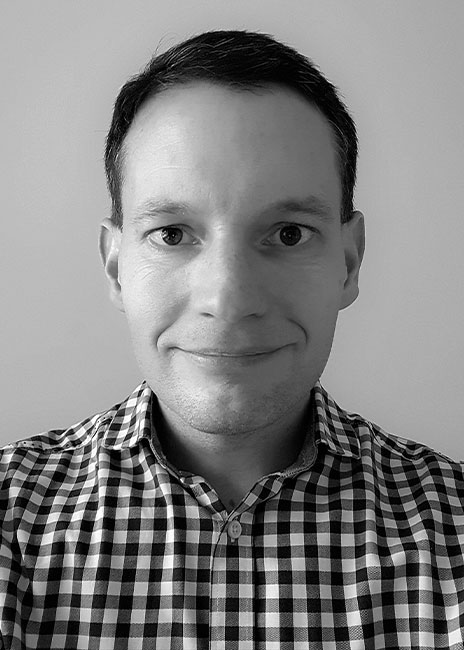
LinkedIn Profile

Timo Aaltonen

Senior Sales & Key Account Manager, Hansen

Timo has almost 30 years of experience with Hansen’s customers and products in different business roles. He is a customer-oriented person with a desire to provide customers with the best possible service from Hansen. Currently, his role is new customer sales with a focus in Northern Europe.
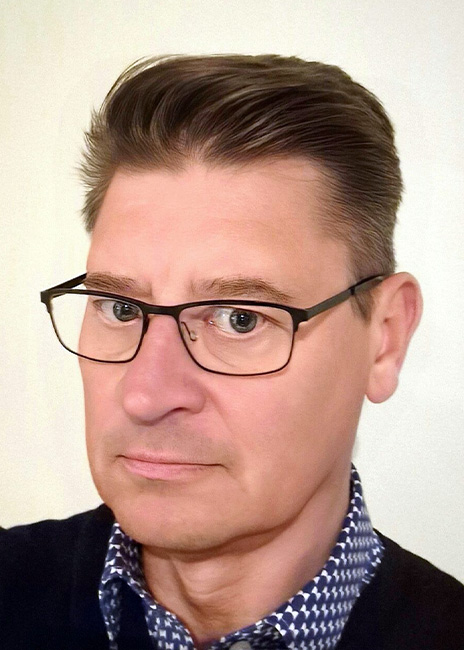
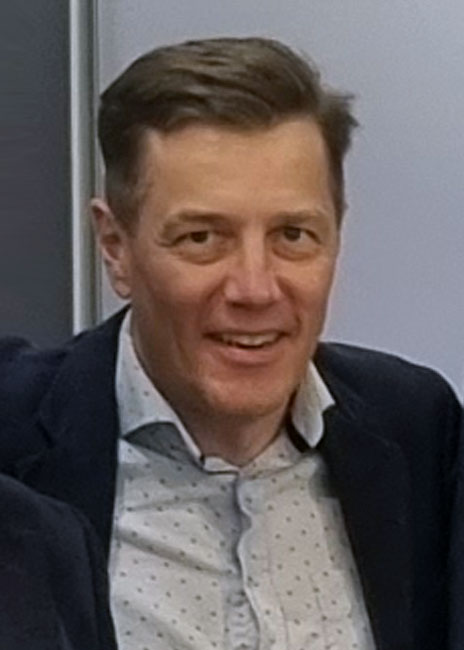
Esko Routama

Sales & Key Account Manager, Hansen

I have worked for Hansen and its predecessors in Finland for a good 18 years. I started in the maintenance team, and after several different phases I have ended up in the account management team.

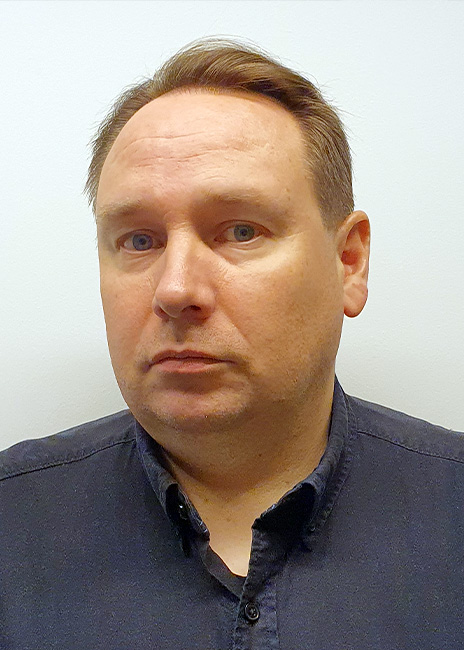
Juha-Pekka Einamo

Sales & Key Account Manager, Hansen

Juha-Pekka Einamo is a seasoned professional with over 25 years of diverse experience in the energy utility business, software industry, and consulting. He possesses an in-depth understanding of energy utility markets and has a comprehensive grasp of fture trends in the Nordics and Europe.

He has demonstrated his ability to excel in various roles. His key competencies include B2B sales, agile software design and implementation, business unit management, and customer-centric consultative approaches. He has been instrumental in enabling the largest Nordic energy utilities to transition into digital-driven platforms. He has a proven track record of introducing new software products and services to the market swiftly, along with effective sales and delivery strategies. His expertise in customer interaction and business value creation reflects his consultative approach.
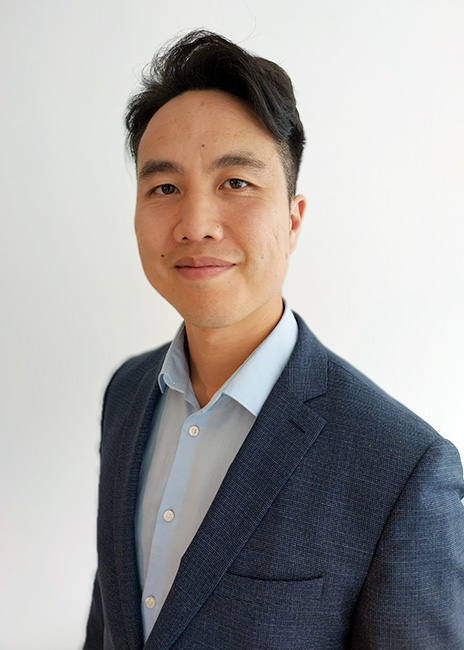
Kakin Tsoi

Key Account Manager, Energy & Utilities, EMEA, Hansen

Kakin lives in the Netherlands and has a MSc in Aerospace Engineering. He started his career as options trader, but then decided to work for a leading Energy Utility company in the Netherlands driving IT/Business transformation programs. He started at Hansen as Program manager leading the Dutch DSO Datahub Program to bring 7 DSOs and more than 18 million metering points live. Kakin is now leading accounts of key Customers, supporting these Customers to accelerate their Digital Energy transition and Customer Experience journey.
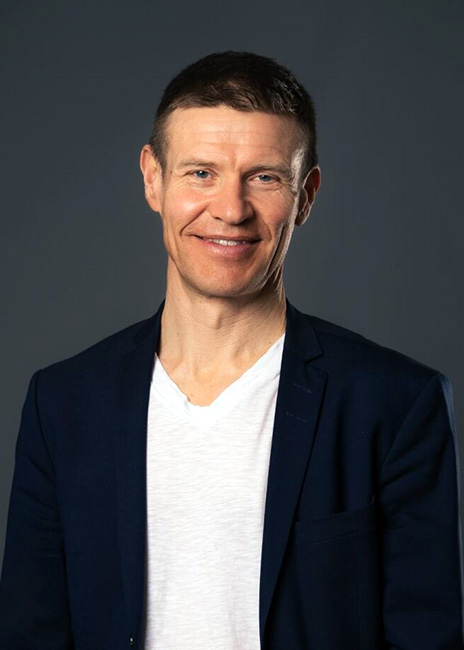
Herkko Plit

Founder and CEO, P2X Solutions Oy

Herkko Plit is an industry veteran in the energy sector, with experience in demanding leadership positions in both companies and the public sector. He has founded the company P2X Solutions and currently serves as its CEO. P2X is pioneering the production of green hydrogen in Finland. Previously, Herkko has worked as the CEO of the state-owned company Baltic Connector Oy, an industrial counselor at the Ministry of Economic Affairs and Employment, and has had roles in the European Commission and Fortum.

Johanna Piispa

Project Manager, Hansen

Joining Hansen Team in autumn 2022, Johanna brings in 10+ years of experience in Finnish energy market, the processes and the people. In a quickly changing world with a need to handle more complicated issues within a shorter time, Johanna brings in a pragmatic approach. “What are the options? What is the best solution?”. Working together is needed, no one has answers on their own.
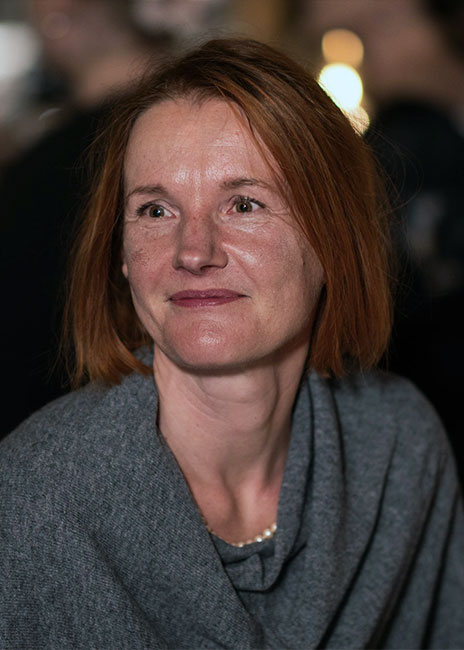
Heidi Isoniemi

Product Owner, Hansen

Heidi is a Product Owner with software development expertise in Forest, Health, and Energy industries.
She is skilled in transferring customer and end user needs to developers during the development process, and in solution and problem investigation skills. She has an end-to-end workflow mindset; she is persistent and has a high standard in project management.

David Castree

President, Energy & Utilities

David is a seasoned senior executive with decades of global experience across diverse organisations. His career highlights include leading major transformation projects, particularly in the shift towards Software-as-a-Service and navigating sectors undergoing transition and deregulation.

Since joining Hansen in 2009, David has focused intensely on the energy and utilities sector. As President of Energy & Utilities, he spearheads efforts to enhance Hansen’s utility customer base, ensuring they remain competitive through advanced solutions. David leads a team of industry and technology experts dedicated to product development, delivery, and customer satisfaction.
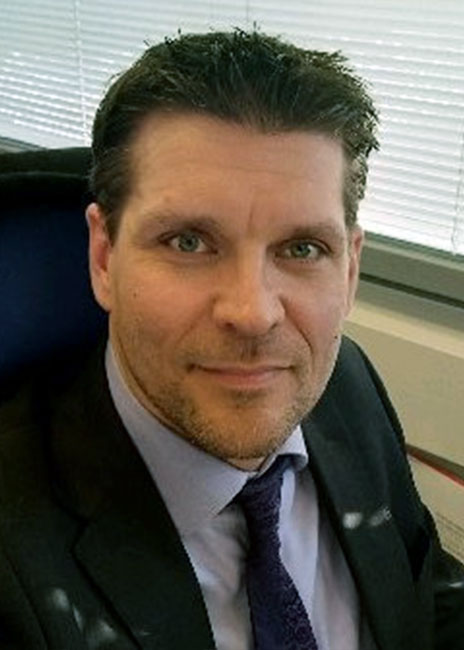
Christian Rautjärvi

Product Manager Finland HansenCIS, Hansen

Christian Rautjärvi is HansenCIS Product Manager in Finland since December 2022. He has several years of experience in different business roles from the electricity market. His role in Hansen is managing and optimizing the products fit to Finnish market, today and in the future.

Árpád I. Toldy, PhD

Project Specialist

Research Group of Energy Conversion and Systems
Department of Mechanical Engineering
School of Engineering, Aalto University

Árpád is a Project Specialist at Aalto University’s Research Group of Energy Conversion and Systems where he conducts and supervises a broad range of Power-to-X-related research, from optimizing the production of green hydrogen using data driven methods to the synthesis, techno-economics and social acceptance of renewable fuels. He earned his PhD in Chemical Engineering from Singapore-MIT Alliance and worked for 6 years in the pharmaceutical industry before joining Aalto.
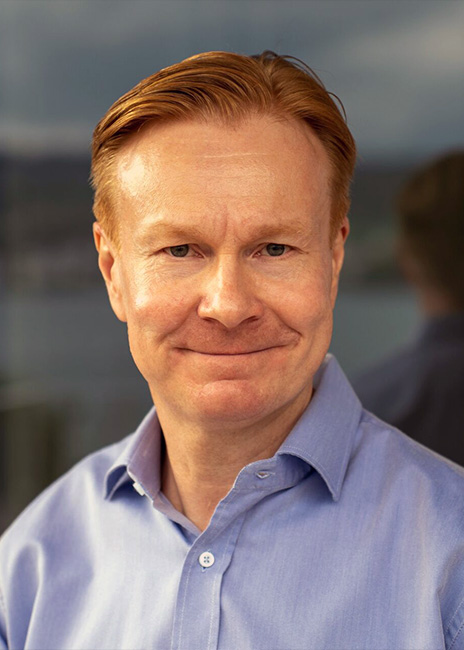
Mika Rissa

Vice President of Energy & Utilities, Hansen

Mika Rissa er ansvarlig for strategi innen energibransjen hos Hansen Technologies. Han gir råd til nøkkelkunder og driver strategiske initiativer for utvikling av løsninger. Mikas fokusområder inkluderer digital kundeopplevelse, AI-optimalisert kraftomsetning på tvers av markeder og analytiske applikasjoner for energisektoren. 

Mikas tidligere roller inkluderer SVP Product hos One Data, ledende roller innen bransjeløsninger hos Oracle, samt rådgivningsroller hos SAP Business Consulting. Han har også vært rådgiver og investor for flere oppstartsbedrifter. Mika har en MBA fra Henley Business School ved University of Reading.
Linkedin Profile

Tiina Heikkinen

Project Consultant, Hansen

Tiina joined Hansen in autumn 2020 and she has 20 years’ experience from customer service. Her passion is testing of end2end processes and getting to know new functionalities and solutions.

Reima Neva

CEO, EPV Tase Oy

Reima Neva is the CEO of EPV Tase Oy and the Vice president of Energy management & ict unit of EPV Energia Oy, Finland. Neva has been leading the EPV Energy group energy management and ict-architecture systems development and operations for 15 years. Neva has thirty years of electricity market and energy information systems experience in several positions in Finnish power companies, utilities and industry software consultants company. Neva graduated M.Sc. Electrical Engineering in Tampere University of Technology in 1992.
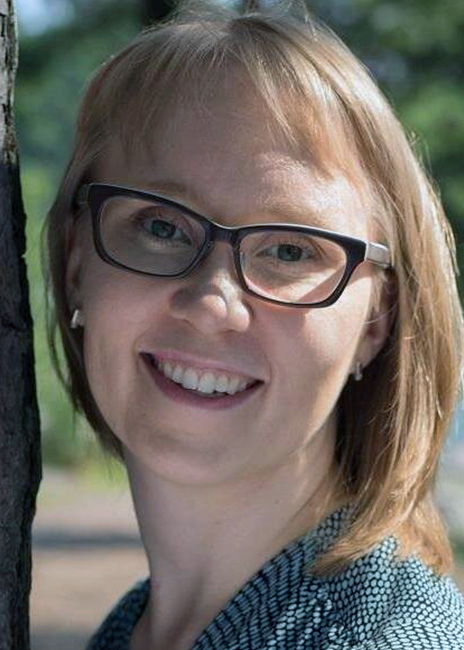
Riikka Kumlin

Senior Product Manager, Hansen

Riikka has over 15 years of experience in Hansen’s MDM business in different roles from project engineering to project, account, and product management. In her previous roles Riikka has been involved with customers in Finland as well as in the DACH region.  She is leading the team developing the newest version of Hansen MDM from the very beginning to its current success and has experienced firsthand what it takes to lead a new product from the sketch board to production.
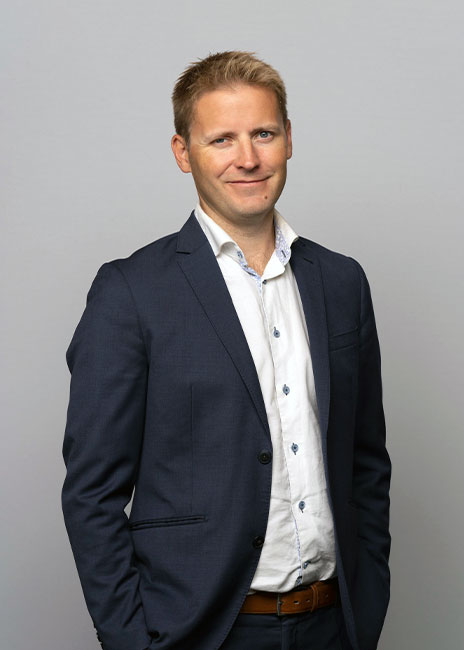
Jan Rönnback

Senior Manager, Energy Regulations Analysis, Fortum

Contributes to Fortums Customer and Market Intelligence Leadership team with 15+ years of experience from power market development in a European setting, management consultancy as well as large scale Energy IT projects.  In this role, he has the responsibility of forming and driving Fortums global view on energy market regulation as well as supporting CMI in developing its offering.

Aligned with Fortums strategy, he provides advocacy for better energy markets which are utterly needed to enable decarbonization over the next decades
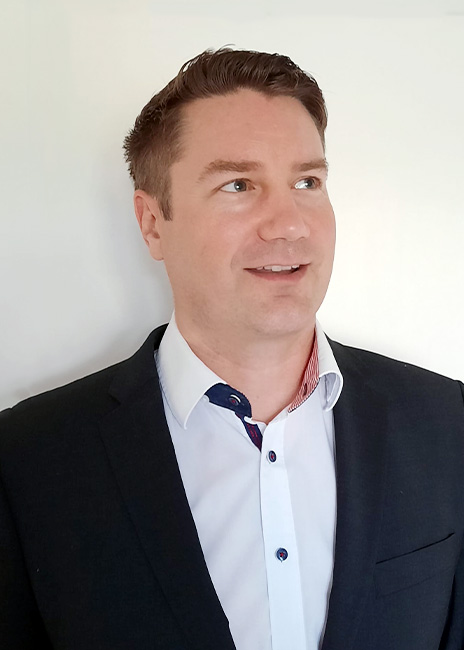
Sakari Seppälä

Senior Product Manager, Hansen

Sakari has nearly 25 years of experience in Hansen’s MDM business in different roles from project engineering to project, account, and product management. In his previous roles Sakari has been involved with customers in Nordics, Netherlands as well as in the DACH region. He is leading teams developing Hansen MDM-G and has experienced firsthand what it takes to deliver large systems to production.

Tiina Myllymäki

Senior Product Owner Hansen MDM-G, Hansen

Tiina has worked since 2008 with Hansen MDM-G system in DACH market area first as test engineer and later as project manager and product owner. In the past 10 years she has been working in energy data management projects with various German and Swiss customers with market roles such as DSO, retailer, and Balance responsible roles.
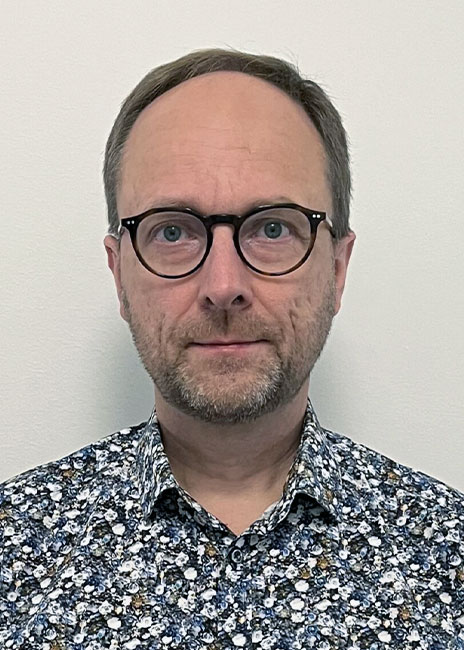
Sami Väliviita

Development Manager, Hansen

Sami Väliviita works in Hansen as a development manager. During his time in Hansen, he has worked with various Hansen products and solutions: Hansen MDM, District Heating Optimization (DHO) and Hansen Trade.

Before joining Hansen, Sami worked in the telecommunications domain managing different R&D teams ranging from feature development to product introduction to customers and customer support.
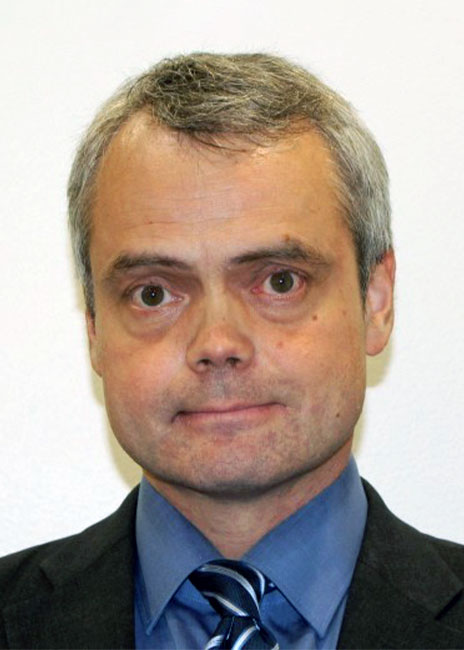
Vesa Hulttinen

Product Manager, Hansen

Vesa has over 20 years of experience in Hansen’s MDM business in different roles from software development to services, account, and product management. In her previous roles Vesa has been involved with customers in the Nordics as well as in the DACH region. Currently, Vesa is leading a team developing Hansen’s next generation MDM product.
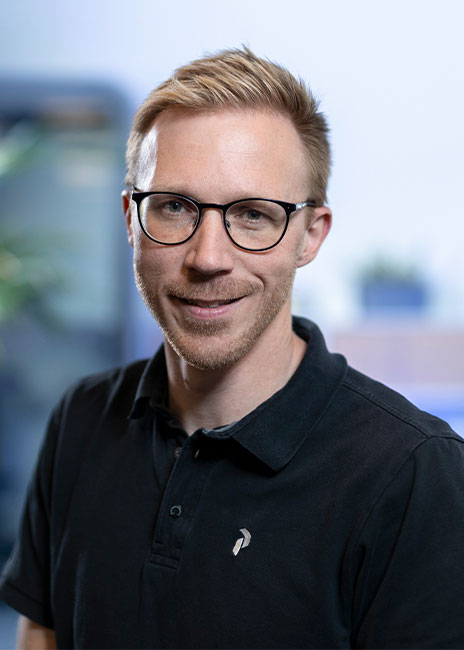
Andreas Wiklander

Head of Physical Trading, Jämtkraft

Andreas holds dual B.Sc. degrees in Electrical Engineering and Business Administration, with over 18 years of professional experience working with electricity markets, flexibility, and automated workflows. He currently serves as the Head of Physical Trading at Jämtkraft, where he engages daily in strategic thinking and team development.
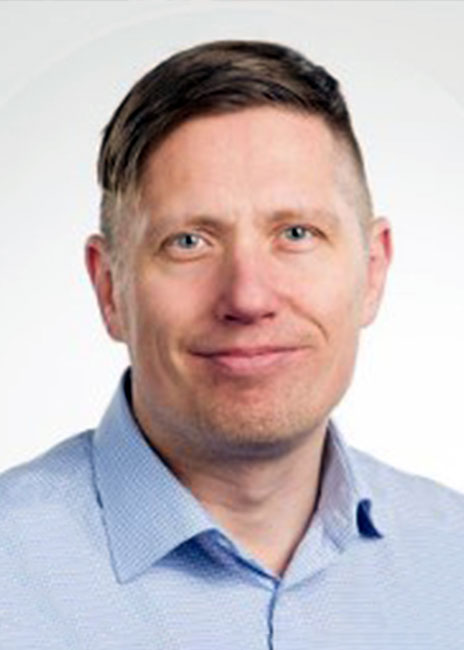
Marko Juslin

Product manager Datahub system, Fingrid

Marko Juslin is Fingrid Datahub Oy Product Manager since January 2022. Before that he was responbile for the purchase of the datahub system and worked as project manager in Fingrid Datahub Oy for the project 1.0. He has several years of experience in different business roles from the electricity and energy market.

His role in Fingrid Datahub is managing and developing of datahub to fit better to Finnish market, today and in the future.
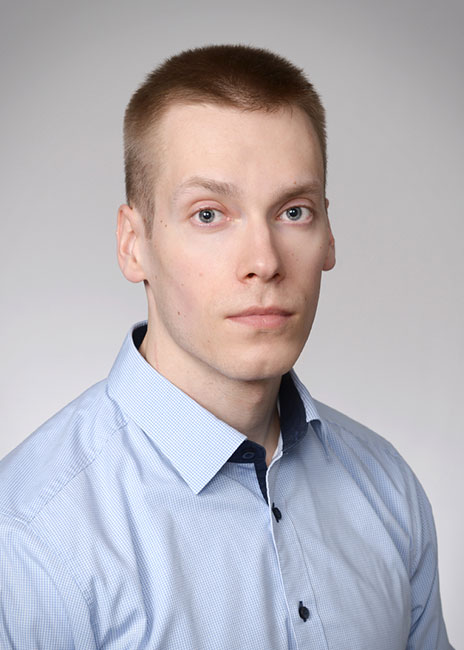

Jyri Joutsi

Product Manager, Hansen

Jyri has over 10 years of experience from power trading, asset management and trading IT. Jyri launched Hansen Trade business in 2018 and currently he leads Hansen Trade R&D and participates also in sales and delivery processes.

Sanna Lindholm

Project Consultant Manager - Hansen CIS-E

Sanna joined Hansen in Autumn 2022. She has over 15 years experience from energy business and customer service. Her focus is in process development and she values cooperation with all stakeholders.

Jesper Broo

Senior Product Manager, Hansen

Jesper is a very experience project manager professional and specialist with many years of experience from Energy & Utilities area. Since 2008 he has managed both MDM/EDM-systems (Meter Data Management, Energy Data Management) and CIS systems (Customer Information System) delivery projects from offering phase to final customer acceptance to customers in Finland, Sweden, and Estonia, and has been in charge for developing and maintaining internal project management practices. He has experience in leading teams with HR responsibility, full customer commitment responsibility, and acted as Product Manager for CIS system delivery, leading a team of up to 10 professionals with overall development and delivery of customer commitments.

1. What does “modernise with precision” mean for Tier-1 telecom operators?

“Modernise with precision” describes a low-risk, targeted approach to BSS/OSS modernisation where operators upgrade only the parts of their digital stack that create the greatest impact. Instead of embarking on high-risk, multi-year full-stack replacements, Tier-1 telcos selectively introduce cloud-native BSS/OSS, API-driven telecom architecture, AI-ready data layers, and TMF-compliant BSS components.
This modular strategy reduces cost and disruption, allowing operators to strengthen areas such as product agility, order orchestration, customer experience, and operational efficiency while maintaining stability in core environments. It aligns directly with TM Forum’s Open Digital Architecture (ODA), which encourages a composable, interoperable, future-proof approach to telco transformation.

2. Why is time-to-market so important for telecom monetisation today?

Telecom monetisation increasingly depends on the ability to respond quickly to new commercial opportunities – from enterprise IoT solutions and digital services to 5G monetisation, wholesale partnerships, and B2B vertical offerings. In this environment, operators that can design, package, and activate new services in days rather than months gain a clear revenue advantage.
Legacy catalogues, rigid product hierarchies, and tightly coupled BSS architectures make rapid innovation difficult. Modern operators therefore prioritise catalog-driven architecture, agile/composable BSS, and cloud-native BSS capabilities to give business teams control over offer creation without relying on long IT delivery cycles. Faster launch cycles = faster monetisation.


3. What is slowing down product launch cycles for many telcos?

The primary obstacles are deeply entrenched in legacy architecture: hard-coded product models, outdated catalogues, nonstandard integrations, and heavy IT dependencies. These constraints slow down even minor product changes, creating friction between commercial teams and IT.
Modern telcos are replacing these bottlenecks with TMF-compliant BSS, cloud-native catalogues, API-driven BSS integrated via TMF Open APIs, and low/no-code configuration tools. These solutions allow product owners to create and test offers independently, ensuring the Digital BSS backbone supports true agility.

4. How can telecom operators reduce order fallout and manual intervention?

Order fallout typically stems from fragmented systems, inconsistent data models, and brittle custom integrations across BSS/OSS chains. When orchestration spans numerous legacy systems, even small discrepancies can cause orders to fail.
Operators can dramatically reduce fallout rates by adopting zero-touch service orchestration, modern order management modernisation, end-to-end automation, and a unified data model across their Digital OSS and Digital BSS layers. Cloud-native telecom systems and order orchestration for telecom remove reliance on manual rework, minimise delays, and improve service accuracy – all essential to delivering predictable customer experiences.

5. Why is accuracy so important for B2B and wholesale customer experience?

For enterprise and wholesale customers, trust is built on precision. A single misquote, incorrect configuration, or missed activation can lead to delays, SLA breaches, revenue disputes, and strained relationships. These segments rely on highly controlled, predictable fulfilment processes – particularly as operators expand into 5G edge services, network slicing, managed security, and outcome-based contracts.
Improving accuracy requires strengthening the underlying architecture – through modern CPQ for telecom, clean data models, cloud-native BSS/OSS, and robust API-driven telecom architecture. When quoting, ordering, provisioning, and billing are accurate, customer satisfaction increases naturally.

6. How does cloud, AI, and API-driven architecture support telecom modernisation?

Cloud-native platforms provide the scalability, flexibility, and deployment speed needed to support modern telecom services. AI introduces intelligence into operations, enabling predictive analytics, anomaly detection, and proactive assurance. APIs – especially TMF Open APIs – ensure new components integrate cleanly with legacy systems.
Together, AI-powered BSS/OSS, cloud-native architecture, and API-driven integration create a digital foundation that supports continuous innovation, reduces technical debt, and enables operators to deliver new services more efficiently. This trio is central to future-proofing the telco stack.

7. What is TM Forum’s Open Digital Architecture (ODA) and why does it matter?

TM Forum’s Open Digital Architecture (ODA) is an industry-standard framework designed to help telcos simplify, modularise, and modernise their BSS/OSS environments. ODA promotes interoperability, composability, and openness so operators can integrate new capabilities without heavy customisation or vendor lock-in.
For Tier-1 operators, ODA serves as a blueprint for transitioning from monolithic legacy stacks to cloud-native, API-driven, modular BSS/OSS infrastructure. By adopting ODA-aligned solutions, operators speed up integration, lower deployment risk, and reduce long-term operational cost.

8. How is Hansen involved in TM Forum and ODA?

Hansen aligns its architecture directly to TM Forum’s ODA principles and has contributed to the development of one of TM Forum’s recognised industry standards. This reinforces a commitment not just to following best practices, but to shaping them.
Hansen’s portfolio of cloud-native, AI-powered, API-driven Digital BSS/OSS modules is built on TMF Open APIs and composable design principles. This ensures seamless interoperability in multivendor environments and helps operators modernise safely and incrementally.

9. Can operators modernise their BSS/OSS without a full-stack replacement?

Yes – and in fact, most Tier-1 operators now prefer incremental transformation. Full-stack replacement is high risk, slow, and expensive. By contrast, modular modernisation allows operators to introduce new BSS/OSS capabilities – catalogues, orchestration layers, charging engines, customer management, monetisation components – without destabilising the existing ecosystem.
This approach reduces risk, accelerates value, and aligns with ODA’s principles of composability and openness. Operators can modernise at their own pace while still maintaining service continuity.

10. How does modular modernisation reduce risk?

Modular transformation focuses on improving specific parts of the architecture – such as product agility, order accuracy, unified data, or 5G monetisation – without changing everything at once. Each module is integrated, tested, and scaled independently, which reduces disruption and improves predictability.
It also allows operators to retire legacy systems gradually, reducing technical debt over time while still realising near-term efficiency and revenue gains. This is why agile/composable BSS is now the preferred model for Tier-1 telecom transformation.

11. What operational improvements can telcos expect from a unified data model?

A unified, AI-ready data model brings real-time visibility across commercial and operational processes, enabling faster decision-making and more reliable service execution. It also allows operators to detect issues earlier, automate root cause analysis, and reduce order fallout.
This consistent data foundation is essential for AI-powered BSS/OSS, predictive assurance, next-best-action recommendations, and advanced analytics. It ultimately improves operational efficiency, accuracy, and customer experience – three core pillars of modern telecom performance.

12. Why is Customer Experience (CX) tightly linked to operational excellence?

Most customer experience problems – delays, incorrect orders, billing errors, missed SLAs – originate from inefficiencies within the internal BSS/OSS engine. When operators modernise their Digital BSS/OSS processes, eliminate manual workarounds, and ensure accurate orchestration and service activation, the customer experience improves naturally.
This is particularly true for enterprise and wholesale customers, where CX is defined by precision, predictability, and contract performance. Improving CX requires improving the processes beneath it.

13. How do Hansen’s solutions fit into a Tier-1 telco transformation strategy?

Hansen provides cloud-native, API-driven, TMF-compliant, AI-powered Digital BSS/OSS modules that integrate smoothly into hybrid and legacy environments. Operators can use them to strengthen catalog agility, automate order flows, unify data, enhance monetisation, or improve service reliability – without needing to replace their entire BSS/OSS stack.
This flexibility supports transformation at the operator’s own pace, aligned to business priorities, regulatory requirements, and commercial objectives.

14. What benefits can operators expect from a layered or hybrid modernisation approach?

A layered or hybrid approach allows operators to combine existing systems with cloud-native components, enabling transformation without disruption. Key benefits include:
• Faster time-to-market for new offers
• Improved order accuracy and reduced fallout
• Lower cost-to-serve through automation
• Stronger customer experience
• Gradual reduction of technical debt
• Alignment with ODA and modular architecture principles
This approach balances stability with innovation – ideal for Tier-1 operators.

15. How do industry standards such as ODA accelerate telecom digital transformation?

Industry standards like TM Forum ODA and TMF Open APIs reduce integration complexity, promote interoperability, and give operators a trusted blueprint for modernisation. They ensure that new BSS/OSS components can plug into existing environments without custom engineering.
By reducing dependence on bespoke integrations and enabling modular deployment, standards significantly lower long-term cost and accelerate transformation across the business. They also future proof the architecture for new technologies, including AI, automation, and 5G service innovation.


Lorem ipsum dolor sit amet, consectetur adipiscing elit. Phasellus vestibulum ut neque eu cursus. Donec eu lectus dictum, convallis lectus eget, porta lorem. Aliquam at lacus rutrum est viverra sollicitudin id eu diam. Sed magna diam, porttitor sed justo a, sodales convallis massa. Nam scelerisque diam in justo pharetra aliquam.